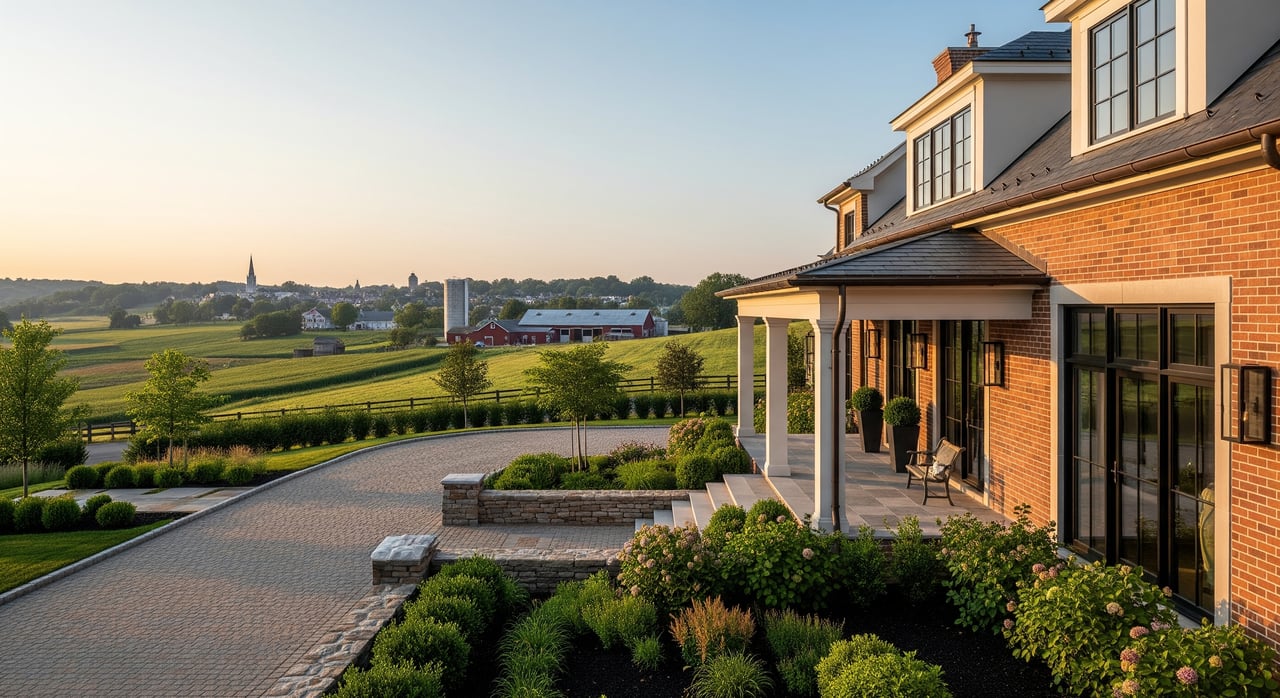
Craving city energy and rural calm without a long commute between them? In Lancaster and neighboring Berks County, you can grab coffee downtown, then be on a quiet country road minutes later. If you’re weighing a move, it helps to see how daily life, housing, and commutes differ across city streets, suburban neighborhoods, and farm-anchored townships. This guide breaks down your options so you can decide what fits your lifestyle and budget. Let’s dive in.
How Lancaster and Berks fit together
Lancaster City sits within Lancaster County as its own municipality, with a historic core and an active downtown. Surrounding it are suburban townships and small boroughs, then plenty of rural land shaped by agriculture. Just to the northeast, Berks County centers on the City of Reading, with nearby boroughs and suburbs that offer different pace and housing choices.
The overlap is what makes this region stand out. You can live in a walkable neighborhood and still be a short drive from fields, trails, and farm stands. For commuters, the area provides road and rail access to Harrisburg, the Lehigh Valley, and Philadelphia, which are reachable depending on your route and traffic patterns.
Daily life by setting
Lancaster City living
If you want an active, walkable routine, Lancaster City offers a compact downtown with restaurants, coffee shops, galleries, and year-round Central Market. Many errands are on foot in core neighborhoods, and cultural events fill the calendar. You’ll find rowhouses, duplexes, apartments, and some converted mills tucked into mixed-use corridors.
Transit options are part of the appeal. Local bus service connects key corridors, bike lanes exist in parts of the city, and Lancaster Station links to Amtrak’s Keystone Line for trips to Philadelphia and Harrisburg. Expect on-street parking and sidewalks on many blocks, along with structured parking in central areas.
Suburban townships and boroughs
Surrounding boroughs and townships shift the rhythm toward more space and car-based errands. You’ll see single-family homes, townhome communities, and newer subdivisions with yards, neighborhood parks, and organized youth sports. Shopping, services, and community centers are often within a 10 to 20 minute drive.
School district boundaries are a common part of suburban searches. Families often ask about commute routes to schools and how district lines map to neighborhoods. Municipal water and sewer are common in many suburbs, though some edge areas may transition to on-lot systems.
Rural townships and small towns
If privacy, land, and a slower pace top your list, rural areas offer larger lots, farmsteads, and long views. Daily life here usually means longer drives for groceries, hospitals, and entertainment, along with more self-sufficiency. Many properties rely on private wells and septic systems, so you’ll want to budget for inspections and understand maintenance.
Agritourism and farming are part of the landscape. Seasonal farm stands, pick-your-own orchards, and pumpkin patches add local flavor. Practical items matter in your planning, including snow clearing patterns, road maintenance schedules, broadband coverage, and zoning for accessory buildings or agricultural uses.
Reading and Berks highlights
Reading anchors Berks County with an urban core that has its own economic base and redevelopment focus. You’ll find arts venues like GoggleWorks, the Reading Public Museum, and the region’s distinctive Pagoda landmark. The area also has outlet shopping and a mix of mid-century subdivisions and newer townhouse developments in surrounding communities.
Suburbs such as Wyomissing and Exeter offer established neighborhoods, commercial corridors, and varied housing stock. Drive times between Lancaster and the Reading area vary with route and traffic, which is a helpful factor to test during your home search.
Housing styles and what drives value
Common home types by area
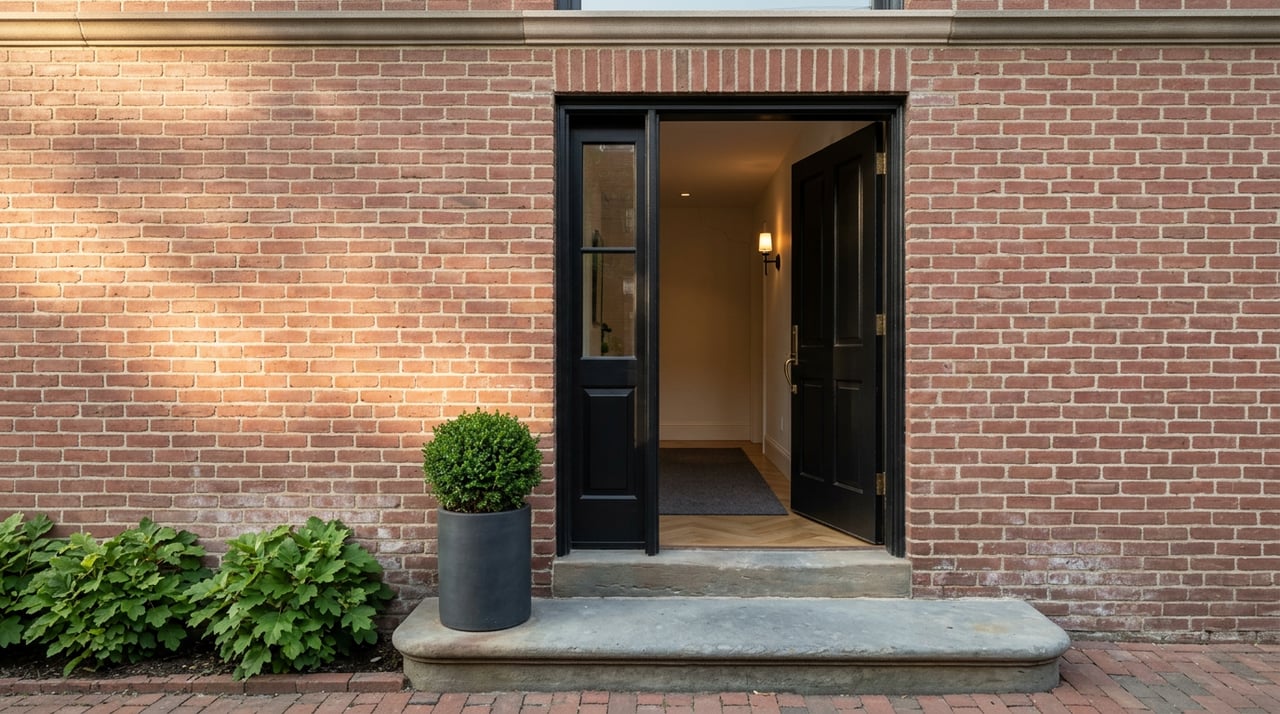
- Urban cores like Lancaster City and Reading: historic brick rowhouses, duplexes, apartments above storefronts, and converted mills or warehouses.
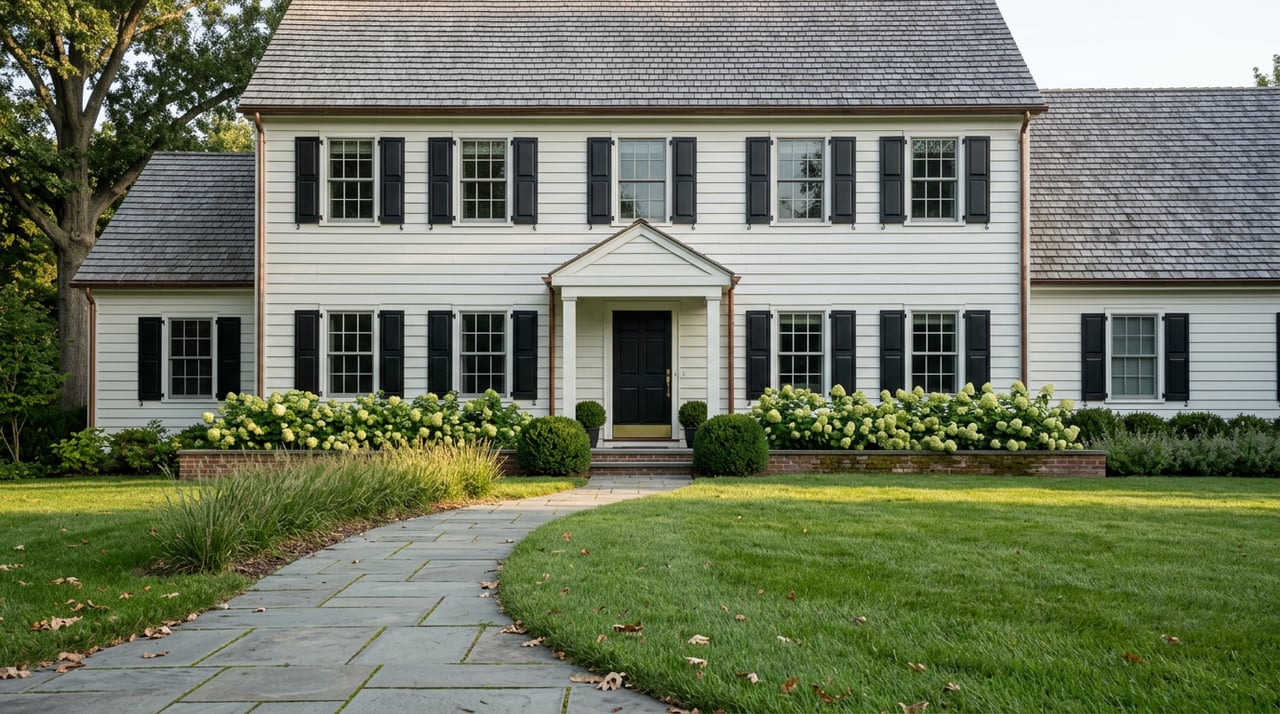
- Suburbs: single-family colonials, ranches, split-levels, newer tract homes, townhomes, and planned developments.
- Rural: stone and frame farmhouses, bank barns, custom homes on acreage, and modular builds.
- College-town environments, such as Kutztown: a mix of rentals and modest single-family homes.
What affects price differences
Several factors shape value across Lancaster and Berks. Proximity to downtown amenities can carry a premium, while larger lots and acreage influence pricing in rural zones. School district boundaries, historic designations, utility type (public sewer and water versus septic and well), and location within a floodplain or a conservation or agricultural easement can all affect both price and future use.
In addition, suburban HOAs and planned developments may include amenities and restrictions that influence demand and monthly costs. Properties near protected farms or within agricultural-use programs may have limits on subdivision or development, which is important to verify early in your search.
Ownership logistics to plan for
- Historic homes: Expect potential for specialized maintenance and preservation rules. In some cases, there may be eligibility for tax credits or rehab incentives, which can offset costs if you plan improvements.
- Rural properties: Budget for septic inspections, well water testing, and a thorough look at drainage, outbuildings, and zoning for any agricultural or accessory structures.
- HOAs and planned communities: Review covenants, fees, and rules before you commit so there are no surprises.
- Agricultural easements and Right to Farm: If you are near active farmland, confirm any easements that limit future development and understand protections for normal farming activities.
Getting around and commute options
Road access is straightforward, with several major routes crisscrossing the region. US-30 runs east-west through Lancaster County, and US-222 connects Lancaster to the Reading area for north-south travel. PA-283 links toward the Harrisburg area and connects to the Pennsylvania Turnpike, while PA-272 and other state routes handle many local trips.
Rail is a helpful option if you spend time in larger cities. Amtrak’s Keystone Service stops at Lancaster Station for trips toward Philadelphia and Harrisburg. Local bus providers include Red Rose Transit Authority in the Lancaster area and Berks Area Regional Transportation Authority in the Reading area. Service levels and schedules change, so confirm current timetables as you plan your routine.
For air travel, Lancaster Airport offers limited regional service and private aviation. Major airports within driving range include Philadelphia International, Lehigh Valley International, and Harrisburg International. Drive times vary based on origin and traffic, so it is smart to test routes at your typical travel times.
Services, schools, healthcare, and recreation
Schools overview
Both Lancaster and Berks counties include multiple school districts that follow municipal and township boundaries. Families often evaluate district lines, bus routes, and report cards as part of their decision-making. Private and parochial options are present in the region, and higher education anchors include Franklin and Marshall College, Thaddeus Stevens College, and Kutztown University.
If schools matter to you, confirm district maps for any address you consider. District boundaries can change over time, so rely on current official resources.
Healthcare access
Lancaster General Hospital serves as a major healthcare center for Lancaster. In Berks County, Reading Hospital is the primary system. For specialty care, larger regional hospitals in Harrisburg or the Lehigh Valley are within driving distance, which expands your options.
Parks, arts, and weekends
You will find year-round activities across both counties. In Lancaster, Central Market, local festivals, breweries, and the Fulton Theatre anchor a lively arts and dining scene. Around Reading, GoggleWorks Center for the Arts, the Reading Public Museum, and the Pagoda provide culture and regional views.
Outdoor time is easy to build into your week. County parks, state parks, rail-trails, and river corridors support hiking, biking, kayaking, and fishing. Check local conditions and trail maps as you plan, especially if you are commuting by bike.
Utilities, broadband, and taxes
In city centers and many boroughs, public water and sewer are common. Rural properties often use private wells and on-lot septic systems, which require routine maintenance and are a key part of inspections. Broadband coverage varies, especially in rural townships, so verify provider availability if you work from home.
Property taxes differ by municipality and school district. When comparing homes, ask for a sample annual tax estimate and utility provider information to understand true monthly costs. This helps you compare neighborhoods on an apples-to-apples basis.
Is city-country life right for you
Use this quick checklist to focus your search:
- How close do you want grocery, dining, and cultural venues?
- Do you need walkability and transit, or are you comfortable driving for most errands?
- What commute patterns work for you by car or rail?
- Do you want a yard or acreage, and are you comfortable with septic and well systems?
- Which school district boundaries align with your needs?
- Are you open to historic properties, HOAs, or agricultural easements?
Neighborhood snapshots to explore
- Lancaster City core: walkable blocks, mixed-use streets, and Amtrak access from Lancaster Station.
- Manheim Township and East Hempfield: suburban single-family neighborhoods, parks, and centralized shopping.
- Strasburg and Paradise: rural townships with historic farmsteads and agritourism.
- Reading CBD and Wyomissing: urban-suburban contrast with arts venues and established neighborhoods.
- Kutztown area: college-town character with small-town services and annual events.
Your next step with a local guide
Choosing between a rowhouse near Central Market, a cul-de-sac home close to shopping, or a farmhouse with acreage comes down to daily life fit. An experienced advisor can help you weigh commute tradeoffs, utility types, inspections, and district boundaries so your choice is clear and confident. Fowler & Co. is an education-first boutique with structured guidance, owner-led mentorship, and proven results across residential, multi-family, land, and small commercial deals.
If you are comparing Lancaster City, Lancaster County suburbs, and the Reading area, we can map options to your budget and timeline, then guide you from search to closing with modern, digital-first service. Ready to explore neighborhoods and next steps? Connect with Fowler & Co for a personalized plan.
FAQs
What is the difference between Lancaster City and Lancaster County for buyers?
- Lancaster City is an independent municipality with a compact, walkable core, while Lancaster County includes many suburban townships and rural areas with varied housing types and lot sizes.
How walkable is downtown Lancaster for daily errands?
- Core neighborhoods near downtown place restaurants, markets, and arts venues within short distances, while walkability may vary by block and by corridor outside the center.
What should I know about septic and well inspections for rural homes?
- Expect a septic inspection and well water testing during due diligence, and plan for ongoing maintenance of private systems as part of your ownership costs.
How does Amtrak from Lancaster support commuting?
- Lancaster Station is served by the Keystone Line for trips toward Philadelphia and Harrisburg, which can complement driving depending on your schedule and destination.
Which major roads connect Lancaster and the Reading area?
- US-222 links the two, with US-30 and PA-283 serving Lancaster County and connections to the Pennsylvania Turnpike for regional trips.
Which airports serve residents of Lancaster and Berks counties?
- Lancaster Airport offers limited regional service, while Philadelphia International, Lehigh Valley International, and Harrisburg International are the primary major hubs within driving range.
How do school district boundaries affect my home search?
- District lines are tied to municipalities and townships, so confirm the assigned district for any address and review official resources if schools are a key factor.