Is your Montgomery County home ready for the market, or just almost ready? In a market where homes can move quickly but buyers are still price-sensitive, the details matter more than ever. If you want to sell with confidence, the right prep plan can help you protect your price, avoid preventable surprises, and make a strong first impression. Let’s dive in.
Understand the Montgomery County market
Montgomery County remains competitive, but it is not a market where you can afford to guess. Over the three months ending May 2026, the countywide median sale price was $484,547, homes averaged 21 days on market, 51.3% sold above list, and 15.9% had price drops.
That mix tells an important story. Well-prepared homes can still attract strong attention, but overpricing can slow momentum fast. Realtor.com’s March 2026 snapshot also showed a median listing price of $499.9K and a median of 25 days on market, which supports the same takeaway.
Mortgage rates also shape buyer behavior. Freddie Mac reported a 30-year fixed mortgage rate of 6.52% on June 11, 2026, which means many buyers are watching their monthly payment closely. When payments feel tight, condition, presentation, and pricing carry even more weight.
Price for a strong start
Your first list price matters because the early days on the market are often your best chance to capture attention. Starting too high can reduce interest, lead to longer days on market, and increase the chance of a later price cut.
National seller data from 2024 found that 21% of recent sellers reduced their asking price at least once. For you, that is a useful reminder that a defensible price is often better than an aspirational one. A strong pricing strategy should reflect recent comparable sales, your home’s current condition, and a launch plan built to create early engagement.
Why overpricing can backfire
In Montgomery County, more than half of homes sold above list in the recent reporting period, which can tempt sellers to push their price. But that stat does not mean every home should be listed high. It usually means the homes that were priced well and presented well earned quick interest.
Today’s buyers have options, and many are comparing homes online before they ever schedule a showing. If your home feels overpriced compared with similar listings, buyers may scroll past it before they ever step inside.
Repair what affects trust first
You usually do not need a full renovation before listing. In most cases, the better move is to fix issues that affect safety, function, or buyer confidence before spending heavily on cosmetic upgrades.
Pennsylvania’s seller-disclosure law applies to most residential transfers involving one to four dwelling units. It requires sellers to disclose known material defects before the agreement of transfer is signed. A material defect is a problem that would have a significant adverse impact on value or create an unreasonable risk to people on the property.
That is why deferred maintenance deserves your attention early. The state disclosure form asks about issues such as basement or crawl-space water leakage and termites or other wood-destroying insects, so water intrusion, insect damage, and similar concerns should be reviewed before your home goes live.
Repairs that often matter most
Focus first on items that could raise red flags during showings or inspection, such as:
- Water intrusion or signs of moisture
- Structural or system concerns
- Electrical, plumbing, or mechanical issues
- Damaged finishes in highly visible areas
- Evidence of termites or other wood-destroying insects
These issues tend to affect buyer confidence more than a dated paint color or older decor. If buyers sense hidden problems, they may hesitate, offer less, or walk away.
Check permits before starting work
If you plan to make repairs or improvements before listing, do not skip the permit question. In Pennsylvania, permits are generally required before construction work begins, and more than 90% of municipalities administer the Uniform Construction Code locally.
That means permit requirements can depend on your municipality. Before starting structural, electrical, plumbing, mechanical, or similar work, check with your local municipality or code official. Taking this step early can help you avoid delays and paperwork issues later.
Keep your records organized
A simple document folder can save you time once buyers start asking questions. Keep these items together:
- Repair invoices
- Warranty paperwork
- Permit records
- Service receipts
- Any relevant contractor documentation
Good records can make it easier to answer buyer and inspector questions quickly and clearly. That can help the transaction feel smoother from the start.
Stage the rooms buyers notice most
Staging does not have to mean a full redesign. Often, it means editing the space so buyers can focus on the home itself.
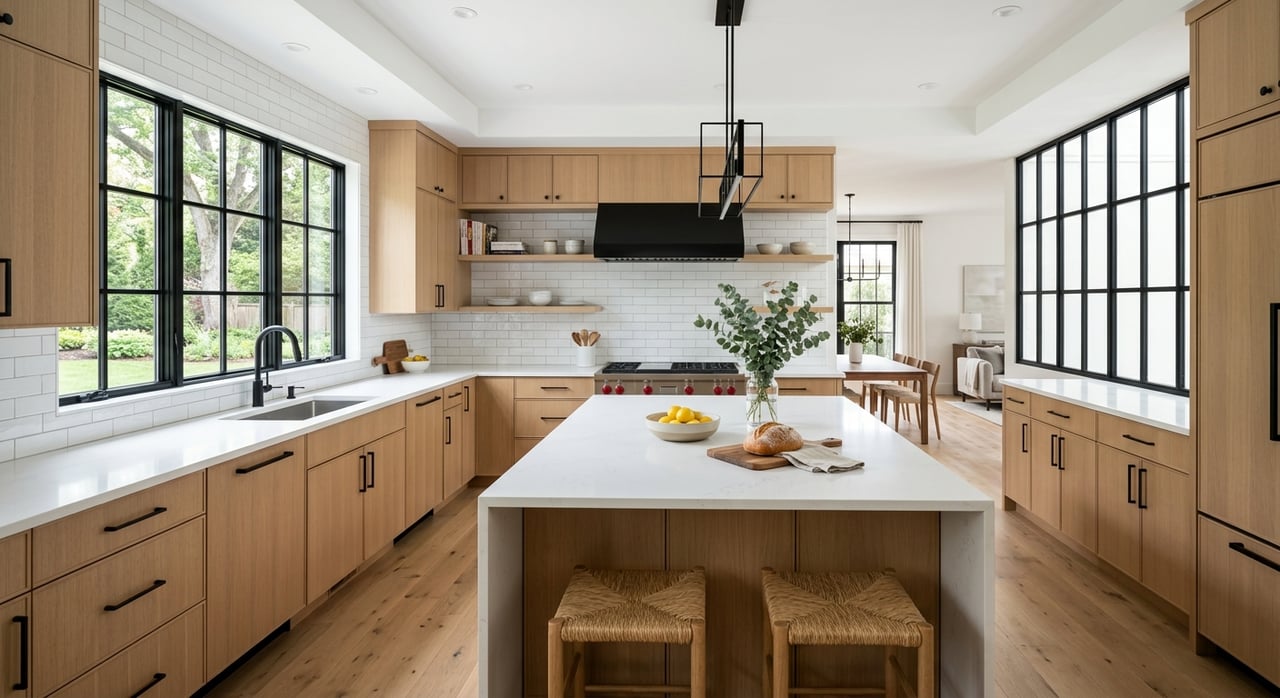
According to NAR’s 2025 Profile of Home Staging, 29% of agents said staging led to a 1% to 10% increase in the dollar value offered, and 49% of sellers’ agents said staging reduced time on market. The same report found that buyers paid the most attention to the living room, primary bedroom, and kitchen.
If your budget is limited, start there. Clean, declutter, improve lighting, and make sure those rooms feel open, calm, and easy to understand in person and in photos.
Where to focus first
The research points to a practical order of work:
- Deep clean the home
- Remove excess clutter
- Improve lighting
- Stage the living room
- Stage the primary bedroom
- Make the kitchen photo-ready
NAR also found that 83% of buyers’ agents said staging made it easier for buyers to visualize the property as a future home. That matters because buyers often make emotional decisions quickly, especially online.
Prepare for photos before showings
Your home will likely be seen online before it is ever seen in person. NAR reported in March 2026 that 52% of buyers found the home they purchased online, and nearly half said their search started online. The same article said 81% of buyers rated listing photos as the most useful feature in their online home search.
That means your launch should begin with visuals, not just a sign in the yard. Buyers are saving searches, reviewing alerts, and comparing homes on their phones every day.
Why professional visuals matter
NAR’s 2025 staging report found that buyers’ agents said listing photos, videos, and virtual tours were increasingly important to clients. Sellers’ agents also rated photos and videos as especially important, which reinforces that strong visuals are part of the core listing strategy.
A polished digital presentation can help your home stand out during the first few days online, when visibility tends to matter most. If interest starts slowly, even updating the lead photo or changing the photo order can help refresh attention.
Build momentum in the first few days
The launch window matters because online visibility is often strongest at the beginning. If your home is priced well, presented clearly, and marketed with strong visuals, you improve your odds of early showings and stronger feedback.
This is especially important in a market where some homes sell above list while others need price reductions. Early momentum can help you stay in the first group instead of drifting into the second.
Modern listing marketing often includes more than a basic MLS upload. NAR’s technology survey found that social media was the top lead-generating technology for real estate professionals, and drone photography or video was used by 52% of respondents. The practical takeaway is simple: your marketing plan should be broad, visual, and professional.
Plan for paperwork and closing costs
A strong sale is not only about presentation. It is also about being ready for the paperwork and costs that come with selling.
Early in the process, you should discuss your seller disclosure statement, permit history, and likely closing costs. One key item in Pennsylvania is transfer tax. The state realty transfer tax is 1%, and Montgomery County’s official page says the county realty transfer tax is 2%.
Settlement customs can vary, so your exact seller share should be confirmed early with your title company or agent. Having that conversation upfront can help you avoid surprises when you start reviewing net proceeds.
A smart prep plan for Montgomery County sellers
If you want a practical way to prepare, keep it simple. Price with current market conditions in mind, repair what affects confidence, stage the rooms buyers notice first, and launch with strong digital marketing.
You do not need to do everything. You need to do the right things in the right order.
That is where a clear plan makes a difference. When your pricing, prep, paperwork, and presentation all work together, your home has a better chance to attract serious buyers quickly and support a stronger outcome.
If you are getting ready to sell in Montgomery County and want a strategy built around smart preparation, clear education, and polished marketing, connect with Fowler & Co.
FAQs
Do I need to renovate my Montgomery County home before listing?
- Usually no. Most sellers are better served by fixing material defects, addressing visible maintenance issues, and presenting the home well rather than taking on a full renovation.
Which repairs matter most before selling a home in Montgomery County?
- Prioritize issues that affect safety, function, disclosure, or buyer confidence, such as water intrusion, system concerns, structural problems, insect damage, and damaged visible finishes.
Is staging worth it when selling a home in Montgomery County?
- Often yes. NAR data found that staging can support stronger offers and reduce time on market, especially when you focus on the living room, primary bedroom, and kitchen.
How important is online marketing for a Montgomery County home sale?
- Very important. Many buyers start their search online, and listing photos are one of the most useful features in their decision-making process.
What paperwork should I prepare before listing a home in Montgomery County?
- Start with your seller disclosure statement, permit history, repair invoices, warranty paperwork, and any records that help explain past work or property condition.
What closing cost should Montgomery County sellers discuss early?
- Transfer tax should be part of the early conversation. Pennsylvania’s state realty transfer tax is 1%, and Montgomery County’s county realty transfer tax is 2%, with the exact seller share to be confirmed during the listing process.